


Morocco Mountaineering Expedition: Your Atlas Gateway
Ask a Scottish climber what they think of Morocco and you'll usually get a shrug. Mention the Atlas Mountains and the eyes light up. Honestly, the Atlas is one of the best kept secrets for people who've spent years on Ben Nevis and Skye and fancy something bigger. A Morocco mountaineering expedition gives you real altitude, big sky, and a fresh set of problems to solve. It's not a holiday with a bit of walking thrown in. It's a proper trip, and it rewards people who plan it properly.
Table of Contents
Quick Takeaways
Key Insight | Explanation |
|---|---|
Pick your route before you book flights | A summit push and a valley trek need very different fitness and kit, so decide which one you're doing first. |
Build in acclimatisation days | Going straight from the airport to a high camp is the fastest way to end your trip with a splitting headache. |
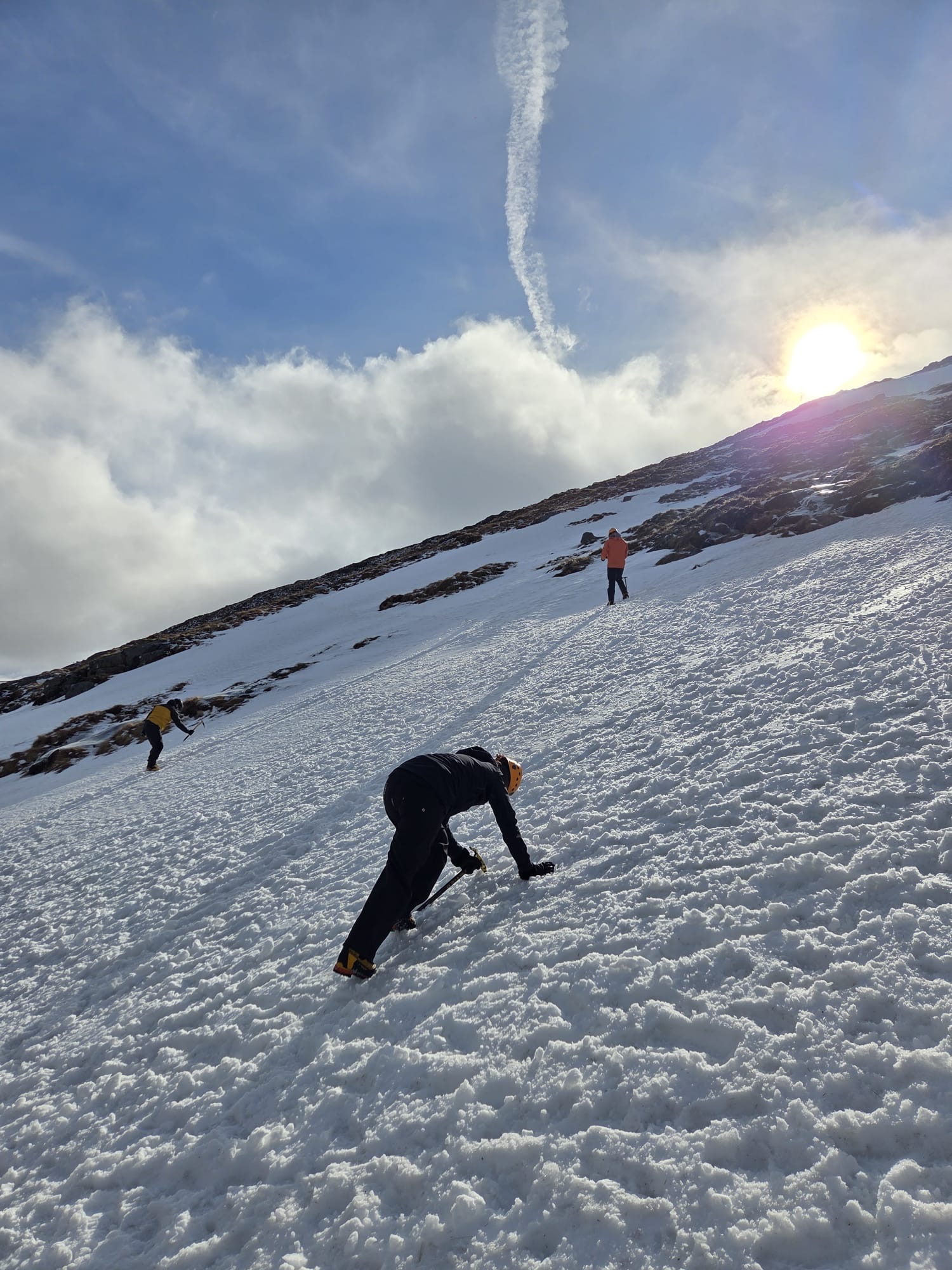
Your winter skills transfer, but not perfectly | Ice axe and crampon habits carry over, but the heat, dryness, and altitude change how you move and recover. |
Hire a local guide for the higher routes | They read the weather, know which trails are in condition, and know when a group should turn around. |
Pack for hot days and freezing nights | Layering beats one massive jacket, and sun protection matters more than most people expect. |
Ask for a day-by-day plan with a bad weather option | Vague answers about rest days and backup plans are a warning sign, so get the details in writing. |
Why Morocco Makes Sense for Scottish Climbers
If you've climbed on Ben Nevis in a whiteout, you already know a lot about mountains. The Atlas will test that knowledge in a different way. The big differences are height, heat, and dryness. You can go from a warm valley to a snowy ridge in a single day, and that catches a lot of people out.

Here's why it works so well. The range gives you serious height without needing a whole week of driving to get near it. Scottish climbers often find the basics feel familiar, but the terrain is different enough to keep you switched on.
The culture adds a lot too. Traditional Berber villages sit tucked into the valleys, and many trails run right past them. You'll often stop for mint tea and chat with people whose families have worked this land for generations. Honestly, that's the bit people remember years later, sometimes more than the summit.
I'll be straight with you. This isn't a beginner's trip for most people. You need a decent base of fitness and some comfort on steep, loose ground. If you're coming from winter skills work in Scotland, you're in a good spot.
Choosing Your Route Through the Atlas
Most people end up choosing between two plans. The first is a summit push on the highest peak in the range, usually done with a guide and a base in a nearby village. The second is a multi-day valley trek, where you walk every day, sleep in simple accommodation or camps, and only go properly high near the end.
The Classic Summit Push
This is the one everyone has heard of. It's shorter, sharper, and it's where altitude really bites. Expect a very early start, long steep ground, and snow on the upper slopes, especially in winter and spring. If a summit is on your list, this is the trip. Just don't pretend you can rush it.
Valley Treks With Pack Animals
Look, this is the more relaxed option, and it's my pick for anyone new to the Atlas. You move at a walking pace, the scenery changes every day, and much of your kit goes on the back of mules rather than yours. You'll pass herding camps and walk through green valleys with steep mountains rising on either side. The quiet is what sticks with me most.
Plenty of groups mix the two. A valley trek first, then a summit attempt at the end, gives your body time to adjust without you grinding through rest days. The catch is time and money, so count the days honestly before you commit. If your highest night so far has been on a Scottish hill, the combined option is worth a serious look.
Summit push and valley trek are not the same trip, even if they start from the same village. Pick the one that matches your experience, not the one that looks best in photos.
Kit and Fitness: What Your Scottish Gear Won't Cover
Your Scottish kit list is a good start. Waterproofs, a warm mid layer, a decent sleeping bag, and a headtorch all carry over. The problem is that the Atlas doesn't behave like Ben Nevis in a storm. Valleys can be hot and dry in the day, and nights at height get cold fast. That mix is where people get caught out.
Layers for Hot Days and Cold Nights
Forget the one massive down jacket. Layers win. Pack a light base layer you can sweat in, a fleece, a windproof, and a warm insulated layer for the evenings and summit days. Sun protection matters more than people expect, so bring a brimmed hat, sunglasses with proper cover, and a high factor sun cream you actually like the feel of.
Footwear and Trekking Poles
Boots need to be broken in before you leave. Loose scree and rocky tracks will show you every hot spot you ignored in the shop. Trekking poles are cheap knee insurance, especially on the long descents where tired legs start to wobble.
Training in the Months Before
Fitness here is less about how much you can lift and more about how many hours you can keep moving. Do long hill days with a loaded pack, and practise steep descents on purpose. Stair sessions with a pack are dull, but they work. If you've done a winter skills course on Skye or Ben Nevis, your balance and footwork are already ahead of the game.
Pro tip: Pack your full kit once, then carry it up a hill for three hours. If your shoulders are screaming by the end, swap things out before you fly.
Altitude and Acclimatisation Without the Drama
Altitude doesn't care how fit you are. I've seen strong climbers get knocked flat on their first night higher up, while someone who runs a bit less sails through. Symptoms usually show up as a headache, nausea, poor sleep, or feeling like you've been hit by a bus. That's acute mountain sickness, and it's the thing you're trying to avoid.
Here's the rule. Go up slowly, sleep lower than the highest point you climbed, and take rest days seriously. The old advice still holds: climb high, sleep low.
Why Fit People Still Get Headaches
Fitness helps your muscles, not your body's response to thin air. Strong legs can carry you straight into trouble if you ignore how you feel. A common mistake is treating a headache as something to walk off. Usually it's your body telling you to slow down.
Building Rest Days Into the Plan
In practice, you want at least one proper rest day before the big push, and ideally a short walk higher followed by a night back down low. Don't spend your rest day staring at the peak from a café. Use it to drink water, eat properly, and let your body catch up.
Altitude doesn't care how strong your legs are. The fastest way to beat it is to go slower than your ego wants.
Signs You Need to Drop Height
Get this list into your head before you go. A headache that gets worse, confusion, breathlessness while resting, or clumsy movements all mean you go down. Tell your guide straight away, and don't wait to see if it passes. This is general guidance, not medical advice, so speak to your doctor before you travel.
Why a Local Guide Is Worth It
You can navigate with a map and an app, and plenty of people do. But a local guide knows things no map shows. They read the weather in the valleys, know which trails are holding snow, and know when a group should turn around. That judgement is the real reason to hire someone.
What a Good Guide Actually Does
A good guide sets the pace, checks everyone's condition at breakfast, and makes the call on summit day. They also handle the small stuff that keeps a trip running smoothly, like sorting pack animals, arranging village stops, and dealing with the odd bit of paperwork. Our approach at Atlas Mountaineering is built on the same winter judgement we teach on Ben Nevis and Skye, because the decisions that keep you safe look similar wherever you are.
Questions to Ask Before You Book
Ask how many clients each guide takes, what the acclimatisation schedule looks like, and what the plan is for bad weather. Ask what happens if someone gets sick and how the group would get them down. Vague answers are a warning sign. A good provider will give you a day-by-day plan without fuss.
Logistics Nobody Warns You About
Transfers take longer than the map suggests, and mountain roads slow everything down. Phone signal drops out in the valleys, so tell someone at home your plan before you head off. Carry some cash for tips and small purchases, and keep copies of your passport and insurance documents somewhere separate.
Pro tip: Ask for the route plan in writing, including the bad weather option. If the answer is vague, keep asking until it isn't.
Three Ways to Tackle the Atlas
Here's how I'd break it down. Each option suits a different type of climber, and picking the wrong one is the fastest way to end up miserable. Use the table as a quick gut check before you lock in dates.
Approach | Best For | What to Expect |
|---|---|---|
Summit push with a guide | Experienced hillwalkers who already handle altitude well | Early starts, steep snow and scree, and a hard day with little room for error |
Valley trek with pack animals | Beginners and anyone building altitude experience | Daily walking, village stops, and a gentle climb to your highest point |
Trek and summit combined | Climbers who want the full experience and have the time | A longer trip with a built-in acclimatisation phase before the big day |
Which One Suits Your Climbing Background
If your winter experience is mostly on Scottish hills, the valley trek is a smart first step. It lets you learn how your body reacts without betting the whole trip on one summit day. If you've spent serious time on steep snow and rock, the summit push can work, but only with a guide who reads conditions well.
Where Scottish Skills Fit In
Your skills from Scotland transfer better than you'd think. Route finding, reading weather, and moving safely on steep ground all carry over. The bit that doesn't transfer is the heat, the dryness, and the altitude, so budget extra time for those.
Mistakes That Wreck Atlas Trips
Most bad trips aren't caused by bad luck. They come from a handful of avoidable mistakes that people make over and over. I've seen every one of these, and they're easy to fix once you spot them early.
Booking Flights Before the Plan
People lock in flights, then discover the summit day falls on a weather window that doesn't exist. Build in a buffer day or two. Mountain weather doesn't read your itinerary, and good operators will shift the plan around it.
Underestimating the Heat and Sun
Nobody thinks of Morocco as a cold place until they're standing in a sunny valley at midday with no shade. Sunburn and dehydration sneak up on you. Drink more water than feels necessary, and take shade breaks even when you feel fine.
Trying to Do Too Much Too Soon
The most common mistake is pushing hard on day one because you're excited. Your body needs time to adjust, and the first two days set the tone for the rest. Start easy, eat well, and save your big effort for when you've earned it.
Pro tip: Keep a simple daily log of how you feel: sleep, appetite, headache, energy. Patterns show up quickly, and your guide will thank you for the honest data.
Frequently Asked Questions
Do I need prior mountaineering experience for a Morocco expedition?
Not always, but you need to be comfortable on steep ground and fit enough to walk for several hours with a pack. The valley trek suits beginners well. A summit push usually suits people with solid hill and winter experience.
What's the best time of year to visit the Atlas Mountains?
Spring and autumn tend to be the sweet spot for most trekkers, with milder days. Winter brings snow to the higher ground, which suits experienced climbers but needs more planning. Check current conditions with your provider, since weather changes from year to year.
How is altitude in the Atlas different from Scotland?
The height gain is much bigger and the air is drier, so symptoms can sneak up faster. Scottish hills teach good habits, but you'll need more patience and more water. Go slow and listen to your body.
Do I need a guide, or can I go independently?
You can do some trekking independently, but for the higher routes a local guide is the sensible choice. They know the trails, the weather patterns, and how camps and village stops usually work. A guide also makes the calls that keep you safe when conditions change.
What do people forget to pack for the Atlas?
Sun cream, a warm hat for the nights, and a spare pair of socks come up again and again. Bring a small dry bag for valuables and enough of any regular medication for the whole trip. Keep your documents in one easy-to-reach place.
Can Scottish winter skills courses help before I go?
Yes. Ice axe use, crampon work, and steady movement on snow all carry over. A winter skills course on Ben Nevis or Skye gives you confidence on steep ground, which matters a lot on the Atlas.
Have you done an Atlas trip, or are you planning your first, and what did you learn the hard way?

Comments