


Atlas Mountaineering Open Course Skye: Your Autumn Weekend
Most people write off autumn on Skye. They hear "wet" and book something for July instead. That's a mistake. We're into November now, so the autumn window is closing fast, but the island is still one of the best places to learn on rock, and an Atlas Mountaineering open course on Skye can turn one free weekend into something you'll talk about for months. Here's how I'd think about it, who it suits, and what to sort out before you book.
Table of Contents
Quick Takeaways
Key Insight | Explanation |
|---|---|
Early November is still autumn, but only just | Book the last good-looking weekends before winter sets in. Don't wait for the perfect forecast, because it won't come. |
An open course suits solo travellers | You sign up for a set date and join other people on the course. You don't need a group of mates to make it work. |
Rock skills come first in autumn | Rope work, belaying, and footwork on damp rock are the core of the weekend. Get these right and everything else gets easier. |
Ice is a weather bet | Ice needs proper cold to form. Don't build your whole trip around ice that may not be in condition. |
Days are short, so start early | Check sunset times before you book travel. A late start on a short day is the most common autumn mistake. |
Pack for wet and cold, not for sunshine | A proper waterproof, warm layers, a hat, gloves, and a headtorch will matter far more than fancy kit. |
Be honest about your level | Tell the team where you really are. The right group makes the weekend, and the wrong one wastes it. |
Why Skye Works in Autumn
The summer crowds have gone home, and the places you'd queue for in August are suddenly quiet. That's the first thing people notice when they come up in autumn. It's also why this is such a good time to learn properly.

Fewer people, more room to think
On a busy summer weekend, you can spend half your day waiting behind other groups. In autumn, you can actually hear yourself think. Everything moves at a more human pace, and that's when the learning sticks.
Look, I'm not saying it's always dry. It isn't. But when you get a decent window, the air is cold and clear, and the views go on forever. Pack a waterproof and you'll be fine.
Light that does the work for you
Days are noticeably shorter by now, so you'll need to plan around daylight. Start early, eat a proper breakfast, and be realistic about when you'll finish. That's the single biggest rookie mistake I see in autumn.
The upside? Low sun on the hills makes everything look like a painting. It's the kind of light that makes you stop mid-step and just stare. Bring a camera, but don't forget to put it down and look.
Pro tip: Check the sunset time for your weekend before you book transport. Set your alarm for a time that gets you on the hill with a few hours of usable light.
What an Open Course Actually Means
An open course runs on set dates with a set plan, and you sign up as an individual. You don't need to bring a crew. You turn up, meet your guide and the other people on the course, and get stuck in.
That's the big difference from a private day. With a private booking, the programme bends around your group. With an open course, the guide has built the weekend around a structured learning path, and you're learning alongside people in the same boat. You can find out more about Atlas Mountaineering's course options on the main site.
The most useful thing you can take home from a weekend on the hill isn't a summit. It's knowing exactly what to do when the plan stops working.
Who you'll be with
In my experience, the groups are a mix. You'll get people who've never clipped into a rope, and people with a few seasons behind them who want to tighten up their technique. That mix is useful. The newer folk get to watch experienced people move, and the experienced folk get reminded of the basics they've been skipping.
Nobody is there to show off. The best group I've seen had a retired teacher, a nurse on her first real break in years, and a lad who'd been climbing indoors for two winters. They all went home better at the same things.
How the weekend usually runs
Expect a briefing on the first morning, then time on the hill with the guide watching and correcting you. Evenings are for going over what worked and what didn't. Keep the plan loose, because the weather on Skye has the final say.
Being flexible is the skill most people underestimate. A good guide changes the plan without making a fuss, and you should expect that. If you need every hour mapped out, say so before you book.
Pro tip: Message the team before booking if you have an injury, a fear of heights, or a tight travel window. Knowing that early lets them match you to the right session.
Rock Skills You'll Practise
Rock is where most open courses start, and autumn suits it well. The ground is firm, and you can focus on the rope work without fighting numb fingers. Most of the weekend is about learning how the system works, step by step.
Don't expect to leave as a finished climber. Expect to leave safer and more confident than you arrived. That's a proper result, and it's the one that carries over into every trip you do next.
Rope work and belays
Belaying is the bit that matters most, and it's the bit people rush. You'll learn how to manage the rope, keep it under control, and hold a falling partner without drama. It feels fiddly at first, then it becomes muscle memory.
Repetition is the whole game here. You'll run the same checks again and again until you stop thinking about them. That's exactly what you want when you're cold and tired at the end of a long day.
Moving on damp rock
Autumn rock is often damp, and it's slippery in a way that surprises people. Feet go first. Learning to trust small holds and keep your weight over your legs makes a huge difference. A lot of the practice is simply learning to slow down.
In practice, I'd tell anyone to spend the first hour moving around easy ground, not chasing the hardest route. Get your footwork right and the rest follows.
Pro tip: If you already own climbing shoes, bring them. Ask the team what else to bring for the rope work, because a pair of cheap gloves stops rope burn without making your grip feel clumsy.
Winter Skills Before the Ice Arrives
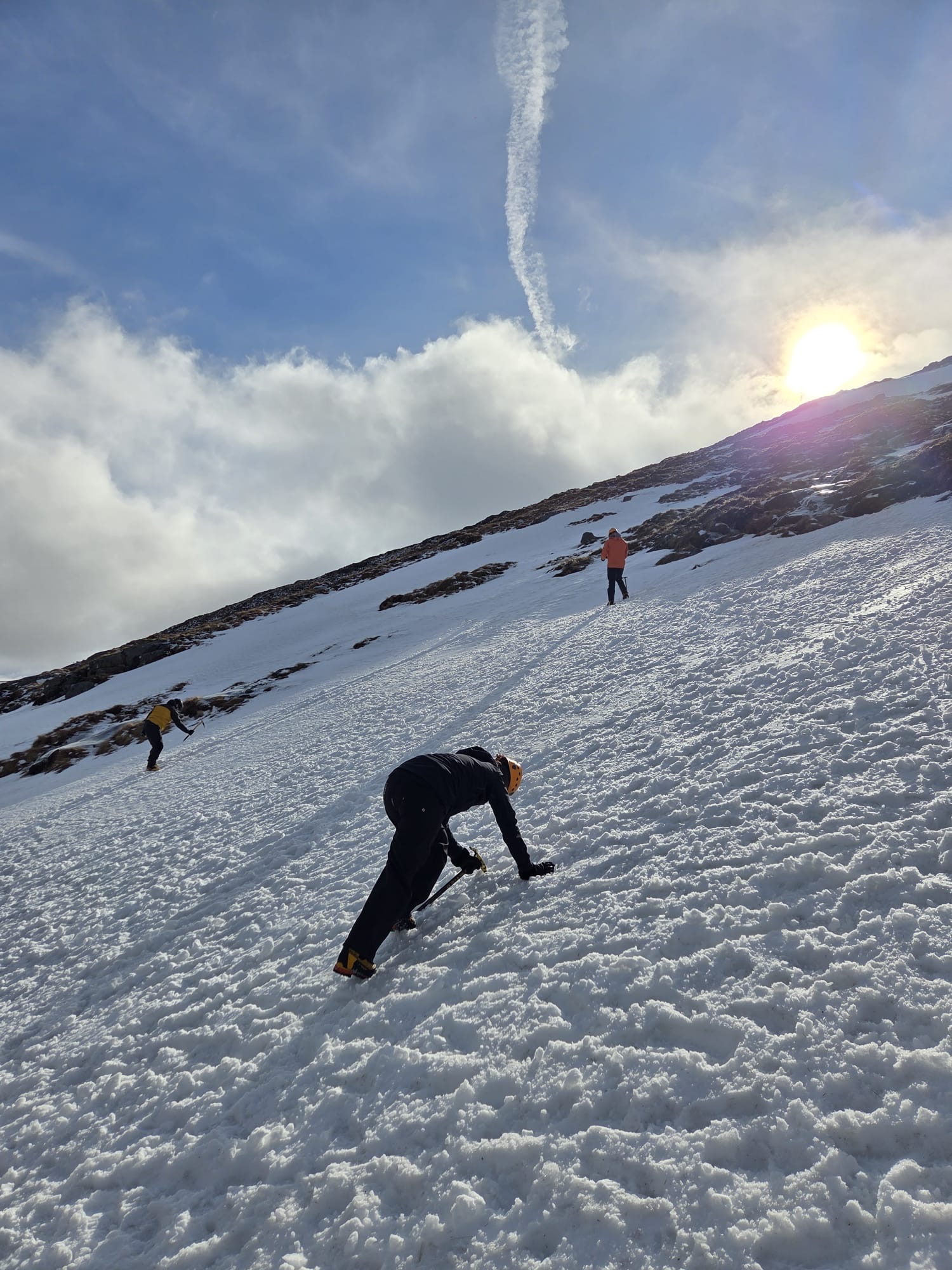
Winter climbing on Scotland's big mountains is the reason plenty of people book a course in the first place. Autumn is the warm-up, not the main event. You use the quieter weeks to get your basics sharp before the cold properly arrives.

Autumn as the warm-up
Think of autumn like pre-season training. You're building the habits you'll lean on in January: moving efficiently, checking your kit, reading the hill when it's wet and grey. None of that is glamorous, and all of it pays off.
I'd rather see someone arrive in winter with solid fundamentals than a shiny new axe and no idea how to use it. Kit is easy to buy. Judgement takes time.
Why ice is a weather bet
Ice doesn't form on a schedule. It needs proper cold and the right conditions, so the ice you're hoping for can be absent for weeks. That's why I'd never build an autumn weekend around ice being there.
If ice shows up on your course, brilliant. If it doesn't, the weekend still gives you real skills. That's the honest version, and it's the one you should expect from any provider.
Pro tip: Ask the team what they'd focus on if the ice isn't in condition. A specific answer tells you the course is built around the weather, not around a shopping list.
Open Course or Something Else
An open course isn't the only way to get on the hill. Some people go private, some go with a friend and a guidebook, and some mix the two. The right choice depends on how much you already know and how much you want someone else making the calls.
Here's the comparison I'd use if someone asked me to break it down.
Option | Best For | Watch Out For |
|---|---|---|
Open course on Skye | Solo travellers and beginners who want structured learning with other people | Fixed dates, so your weekend has to fit the schedule |
Private guided day | Groups with a shared goal and a specific skill to work on | Costs more per person, and the plan only works if the group agrees on it |
Self-guided trip with a partner | Experienced climbers who already have the skills and kit | Mistakes go unnoticed, and there's nobody to correct your technique |
When a private day makes more sense
If you've already got a group, a private day is hard to beat. You choose the focus, the pace, and the mountain. It costs more per head than sharing a set date, but you're not fitting around anyone else's gaps.
It's also the better pick if your group has mixed goals that a set course won't cover. Tell the guide what you want from the day, and let them build around it.
Why self-guided is a risky shortcut
Going out with a mate and a map sounds romantic. In reality, two people with no structured training can end up making the same mistake together. Nobody notices until it matters. That's the bit I'd avoid.
Self-guided trips make sense once your skills are solid and you've got the kit to match. Before that, a structured course will save you more time and nerves than it costs.
Fort William and Ben Nevis as a Base
We're based in Fort William, so we see the full range of what's possible from the same town. Skye is where a lot of our rock work happens, and Ben Nevis is the big winter mountain on our patch. Knowing which one suits your level saves you a lot of wasted weekend.
Skye for rock, Ben Nevis for winter
Skye gives you a huge variety of rock and a different feel from the mainland. Ben Nevis is the place to go when you want the winter experience on a mountain everyone's heard of. Each one teaches something the other doesn't.
If you're not sure which way to go, the autumn open course on Skye is the easier first step. It keeps the pressure low while you build the habits you'll need on bigger mountains later.
Matching the course to your level
Beginners should look for courses that start with the basics and don't assume you know the rope drill. Intermediate climbers should look for something that pushes technique and decision making. Be honest with yourself about your level, and the right course usually jumps out.
The worst match is a confident intermediate stuck in a beginner group, or a total newcomer thrown into a session built for experts. Both waste a weekend. Be straight with the team when you get in touch.
Who This Weekend Suits and What to Pack
This weekend suits people who want to learn properly without committing to a full expedition. It's a good fit for first-timers, returners who've had a break, and climbers who've been going out with the same mates for years and want fresh input.

Who might want to wait
If you've got a medical issue that affects movement or balance, have a proper chat with the team first. The same goes for anyone who hasn't walked a steep hill in a while. Fitness on the approach matters more than most people think.
It's not a judgement. It's just the difference between a weekend you enjoy and one you spend recovering from.
The packing list that actually matters
Forget the fancy gear list. You need a waterproof shell, warm layers you can add and remove, a warm hat and gloves, spare socks, and a headtorch with spare batteries. Bring food and water for a full day on the hill, because you'll burn more than you expect.
Keep a spare layer dry in a bag at all times. Wet kit is the fastest way to turn a good day into a miserable one.
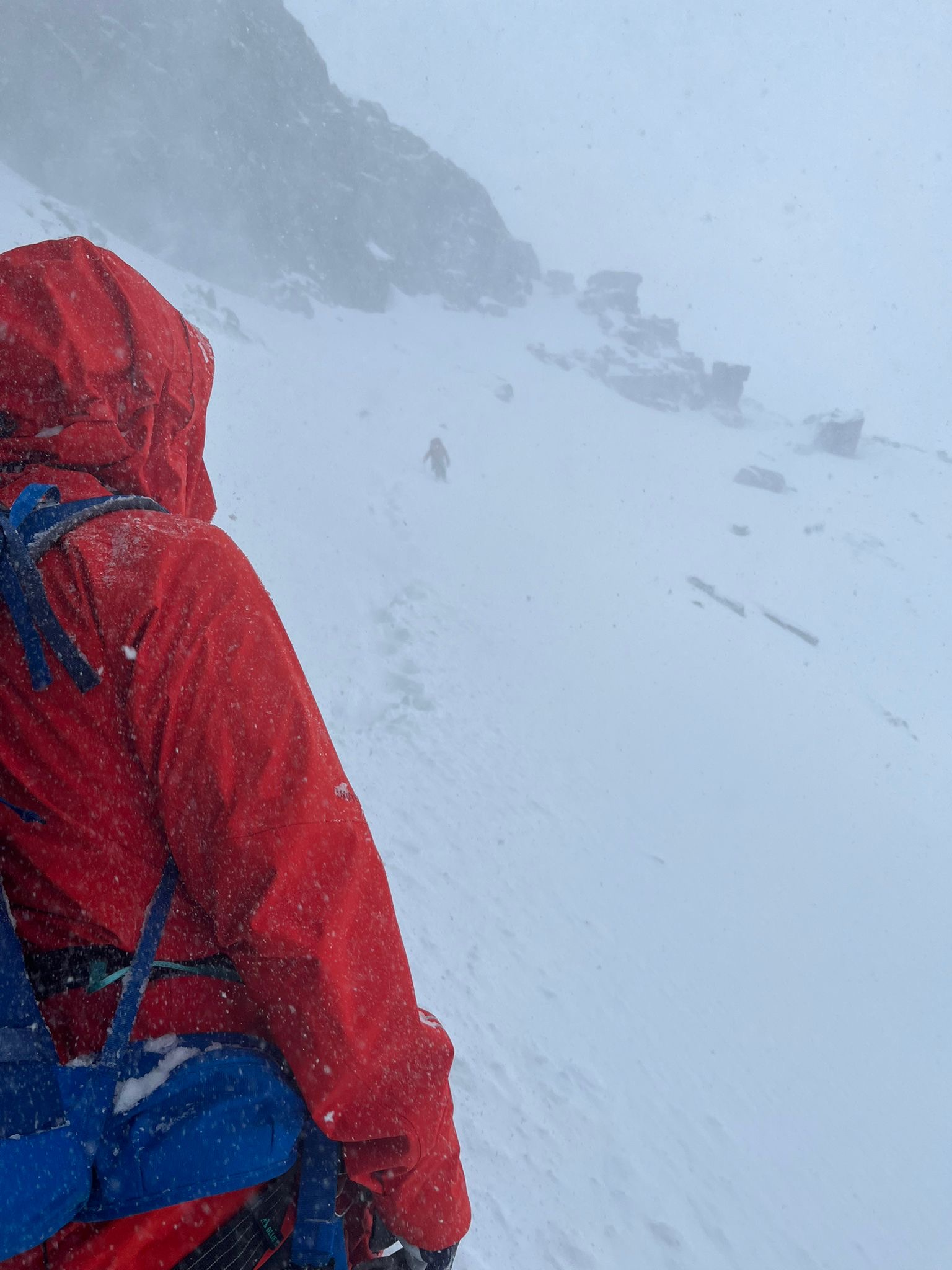
Pro tip: Pack a dry bag for your phone, keys, and spare layer. Autumn rain on Skye can arrive sideways, and a soggy spare jumper is a miserable thing at four in the afternoon.
Frequently Asked Questions
Do I need climbing experience to join an open course on Skye?
Not always. Beginner-friendly open courses start from scratch, so you don't need to know how to tie in before you arrive. What helps is basic fitness and a willingness to be told what you're doing wrong, which isn't always comfortable at first. If you're unsure, get in touch and describe your background.
Is autumn a good time for a climbing weekend on Skye?
Yes, with realistic expectations. Days are shorter and the weather can change fast, so plan for a flexible weekend. Many people find the quieter trails and clearer days make it one of the best times to learn. Just don't count on ice being in condition.
How is an open course different from a private guided day?
An open course runs on set dates, and you join other people on it. A private day is booked for your group, so you pick the focus and the pace. Choose an open course if you're solo or want to learn with others, and a private day if you have a specific goal and a group already.
What should I pack for an autumn course on Skye?
Focus on layers, a proper waterproof, a warm hat, gloves, spare socks, a headtorch, food, and water. Add your own climbing shoes if you have them. Keep extra layers dry in a bag, because wet kit is the fastest way to ruin a weekend.
Can an open course lead into winter climbing?
It can. Autumn rock and movement skills carry straight into winter, and the course shows you where your gaps are. Many people book a winter course after an autumn weekend, but you don't have to. Talk to the team about your goals and they'll point you in a sensible direction.
How do I book an open course on Skye?
Check the Atlas Mountaineering website for current dates and availability, since these change through the season. Popular weekends can fill, so it's worth booking early. If none of the dates suit you, ask about other options before you give up on the idea.
Have you done an open course on Skye, or is one still on your list, and what's the thing holding you back or pushing you to book?

Comments